'Braising' is a culinary term you've likely heard of if you're a passionate home cook, but what exactly does it mean? Is braising the same as stewing? Can only certain cuts of meats be braised? Can you overcook a braise? And can you treat the vegetarian in your life to a braised dish too?
We have all the answers for you in our specialist cooking guide!
Key Takeaways
-
Braising involves searing protein and/or vegetables at high heat, before filling the pot halfway with liquid, covering with a lid, and simmering low and slow until tender.
-
The cooking method of braising is a great way to ensure a soft, tender, melt-in-the-mouth texture, especially with meats, without over-cooking.
-
Having a well-fitting lid on pot for braising is essential after the searing stage. You must keep protein or vegetable partially submerged in your chosen braising liquid so that it stays tender, so you don't want it to evaporate! If your chosen pot doesn't have a lid, you could seal it tightly with tin foil instead.
-
You can simmer your braise on low heat on the stovetop, or you can pop your braising pot into the oven to slow-cook. Both methods work well.

Why Should You Braise Meats?
Braising sounds impressive, but it is quite a hands-off method of cooking. It's really a set and forget situation; once you've seared everything at high heat until sufficiently browned, and the Maillard reaction has occurred bringing colour and flavour to your dish, you can toss in your favourite aromatics, cover in the liquid of your choice, cover tightly with a lid and let the magic happen!
Best Meats for Braising
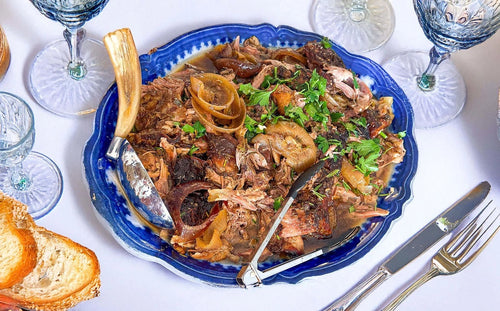
Large cuts of meat are commonly used for braising, but it also works wonders for some offcuts that can otherwise be chewy. Some of our favourite options for braising are:
-
Pork cheeks (these have a beautiful texture after braising and complement a sticky, sweet sauce).
-
Lamb shoulder (braised lamb shoulders are a British pub classic for a reason, and easier to make at home than you may think!)
-
Short ribs (from smoky Birria to hearty Irish stews, bone-in short ribs are a wonderful meat for braising)
- Offal, like oxtail (many different cuisines embrace oxtail braises. This cheaper cut of meat makes for a stunning braised stew!)
At Fine Food Specialist, we have plenty of specialty meats for you to experiment with braising at home. Browse our selection of Wagyu for a really impressive braise!

How to Braise Vegetables
Braising vegetables is more or less the same as braising meats, apart from most vegetables take less time to cook!
Does Braising Vegetables Remove Nutrients?
The good news is that the vitamin retention in a vegetable braise can be quite high! If you consume the liquid that your vegetables are braised in, as well as the vegetables themselves, which we would certainly recommend as it will be delicious, you will be consuming vitamins which have been released into the broth during the cooking process.

Best Liquids for Braising
You can just use water as the liquid in your braise, especially if you are using a lot of aromatic vegetables like celery, onions and garlic and plenty of hard herbs - like thyme, rosemary and tarragon. Other great options are:
- Wine (red wine for depth and body, or white wine for a citrus profile and acidity).
- Beer (works great with large cuts of meat like pork shoulder and beef brisket).
- Passata (a tomato broth is perfect for braising meats!).
- Stock (vegetable stock imparts plenty of flavour, but a high quality chicken stock can really increase the flavour of vegetable braises, adding an umami profile).
Key Braising Times
You can follow this general guide for braising (times are based on a fan oven which has been preheated to 200°C):
|
|
Braising Times (approx.) |
|
Soft vegetables (like chicory) |
25 minutes |
|
Harder root vegetables (like carrots) |
40 minutes |
|
Pork cheeks |
60-90 minutes |
|
Smaller bone-in cuts of meat (like oxtail or short-ribs) |
150 minutes |
|
Larger cuts (like beef brisket) |
240 minutes |
Always check your braise throughout the cooking time to ensure that the meat is still tender, not shrinking too much.

Are Braising and Stewing the Same Thing?
In general, braises use about half the liquid that stews use. This is because stews need a wet gravy element covering every ingredient, whereas the liquid in braises is more to keep the protein moist and tender whilst it cooks, rather than being an essential component of the final dish. We do always reserve any leftover braising liquid though, as it does make an excellent sauce/gravy!
Serving Suggestions
There's something immensely comforting about braised meats and vegetables, so serve with comforting and warming side dishes!
-
Smooth, creamy, buttery mashed potatoes are the ideal accompaniment to braises.
-
Sweet root vegetables like squash and carrots work wonderfully with rich and hearty braised meats.
-
Pillowy herby dumplings are the perfect accompaniment to a braised stew.
-
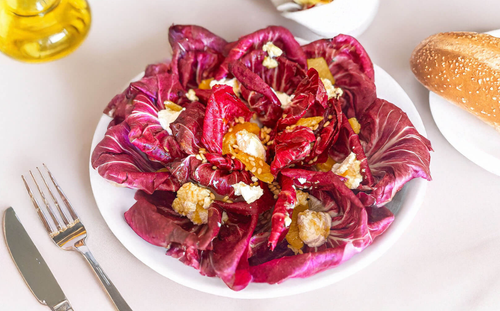
The bitterness of vegetables like brassicas and endives are a great balance to slow-braised fatty meats.
- An acidic accompaniment to any rich braise is always welcome, so try make a vinegary chimichurri or adding capers into your braising liquid for that essential tang!

Specialist Guide to Braising: Our Final Notes
We have plenty of braised recipes in Drogo's Kitchen using our highest quality cuts of meat, so why not look there for some inspiration!
When you're ready to put your new braising skills into practice, visit Fine Food Specialist for the best ingredients. We also offer next-day delivery so you can start experimenting right away.