Ibérico pork is some of the finest pork that money can buy. Native only to central and southern Spain, and some areas of Portugal, the Black Ibérican Pigs who produce this meat follow a very specific diet and lifestyle. In our specialist guide, we delve into what is so special about this pork, and how you can really showcase it's flavour and texture in your home kitchen.
What Is Ibérico Pork?
Ibérico pork, also known as Ibérican pork, refers to premium quality pork that comes from a specific breed of pigs. It is often described as "the Wagyu of pork" due to it's fat-marbling, melt-in-the-mouth texture and rich flavour.

How Is Ibérico Pork Produced?
The Black Ibérican Pigs are allowed to roam the forest floors foraging for acorns, wild herbs, and plants. The acorns are particularly essential to the unique flavour of Ibérico pork, especially in its milky fat, which is rich and nutty. This fat melts during cooking, imparting flavour into the meat and increasing the succulence of the meat and this is part of what makes Ibérico pork so special.
Ibérico pork is also (famously) cured, or preserved by drying out in salt and nitrites. The meat is then hung to age the meat, drawing out moisture and intensifying the flavour. You've likely encountered the sharp and mouth-watering smell of Ibérico pork legs hanging in the window of an authentic Spanish tapas bar. At Fine Food Specialist, we offer a stunning and traditional 100% Ibérican pork Bellota leg of ham on the bone, sourced from the Dehesa, which is a truly impressive party centrepiece! We also, of course, sell this magical jamon pre-sliced, so the work is done for you. We think it's always worth having a browse through our impressive collection of Spanish charcuterie products if you have an event coming up.
What Does Ibérico Pork Taste Like?
Fresh Ibérico pork tastes rich, funky and nutty. It's fattiness and butteriness on the pallet means it is often dry-aged steak. The flavour of Ibérico pork is deeply savoury, but some say it tastes slightly sweet, which could come from the acorn-heavy diet of the pigs. Cured Ibérico pork is salty and complex, with almost a spicy aftertaste.
How Should Ibérico Pork Be Cooked?
Ibérico pork is different to other breeds of pork, and can be cooked medium rare, like steak. The ideal internal temperature is 52 degrees Celsius before resting. This keeps the meat tender while also allowing the fat to melt. Cured Iberico pork does not need to be cooked before eating.

What Are The Different Cuts of Ibérico Pork?
There are many different cuts of this stunning pork, which can all be cooked in different ways and are suitable for different dishes. Don't forget that generally speaking, Ibérico pork can be served pink in the middle, unlike regular pork. You can find plenty of seasonal Ibérico pork recipes in Drogo's Kitchen.
Fresh Ibérico pork
Ibérico Pluma: The pluma cut is found at the bottom end of the loin. The pork equivalent to the flank, it has a tender texture.
Ibérico Presa: Presa is considered the finest cut of the Iberico pig. Cut from the muscle attached to the shoulder at the head of the loin, it is best cooked medium to medium rare.
Ibérico Secreto: This is the 'secret' cut that butchers like to keep for themselves! Cut from behind the shoulder, it should be cooked only briefly.
Ibérico Solomillo: The solomillo is the fillet or tenderloin - the most tender piece of meat available as it comes from an unused muscle.
Ibérico French-Trim Rib Rack: The ribs, or costillas, have all the flavour and succulence you would expect from this special pig, only on a rib! They are the juiciest and most meltingly tender ribs you will ever taste.
Ibérico pork collar: Iberia pork collar is cut from the area between the head and shoulders and is very well marbled with fat. This cut needs time to break down and benefits from low and slow cooking.
We have many more choices that you can try, including cured, fresh and frozen meat, in our specialist Ibérico Pork collection.

Cured Ibérico pork
We stock a wide range of cured Ibérico pork products, which have been preserved and have therefore developed an intensity of flavour that makes them world renowned.
Ibérico ham comes in whole legs or pre carved arrangements, sliced by a ham carving expert. This special ham is sliced thinly using a long knife, which means each slice has the correct proportion of fat and meat. The pigs are known for their fat marbling, and much of the flavour of the pig is contained within this fat, which melts in the mouth. Ibérico ham is aged for anything between 12 and 50+ months, which is what makes it so special.
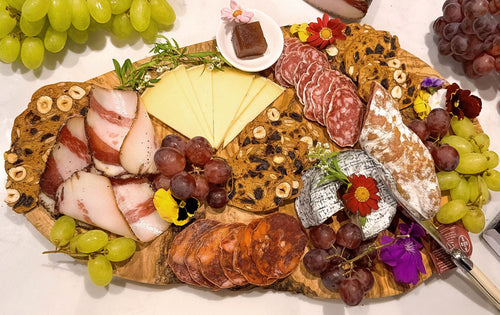
Ibérico Salami: Our Iberico acorn-fed salchichon is a fun and different way to serve the rich, nutty meat of these world famous pigs. Try slicing it and serving with a salami platter and a glass of full bodied red wine.
Lomo de Cebo Ibérico: This cured lomo comes from the pig's tenderloin. Slice thinly and serve as part of a dreamy charcuterie platter with some manchego cheese and membrillo.
Recipe ideas using Ibérico Pork
We have so many recipes that can teach you the best ways to cook with Ibérico Pork in Drogo's Kitchen, but these are just a few of our favourites:
Ibérico Pork Chops with Sherry and Orange Caramelised Fennel

Ibérico Secreto Katsu Curry

Ibérico Presa with Hazelnut ‘Pesto’

Ibérico Pork FAQs
Why is Ibérico pork so special?
The rarity of the pigs who produce it, their unique diet and the traditional methods of producing this pork make it one of the best in the world.
Where does Ibérico pork come from?
The cherised Black Ibérican Pig is native only to central and southern Spain, and some areas of Portugal. This location is key to their unique foraged diet of acorns and particular grasses and herbs that give Ibérico pork it's special taste.
How can I cook with Ibérico pork?
Head to Drogo's Kitchen for some of our favourite recipes that make the most of this stunning and specialist ingredient.