Few things are as inviting as a beautifully arranged cheese and charcuterie board. From creamy, delicate cheeses to bold blue varieties and richly flavoured cured meats, a thoughtfully chosen selection offers something for every palate.
At Fine Food Specialist, our range celebrates artisan cheesemaking and traditional charcuterie from the UK and across Europe. Whether you’re planning a dinner party, creating a relaxed sharing platter or looking to discover a new favourite, choosing the right combination of flavours and textures is the key to a memorable experience.
In this guide, we explore different cheese styles, introduce some of the cured meats worth discovering and share practical tips for creating a balanced cheese and charcuterie board at home.
Exploring Our Artisan Cheese Selection
Cheese varies enormously in flavour, texture, aroma and appearance. Some varieties are fresh and delicate, while others develop deeper, more complex flavours as they mature. Understanding these differences can help you choose cheeses that complement one another.
When planning a cheeseboard, aim for variety rather than selecting several cheeses that taste and feel similar. Combining different milk types, textures and levels of intensity creates a more interesting tasting experience.
Explore our gourmet cheese collection to discover cheeses for everyday enjoyment, entertaining and special occasions.
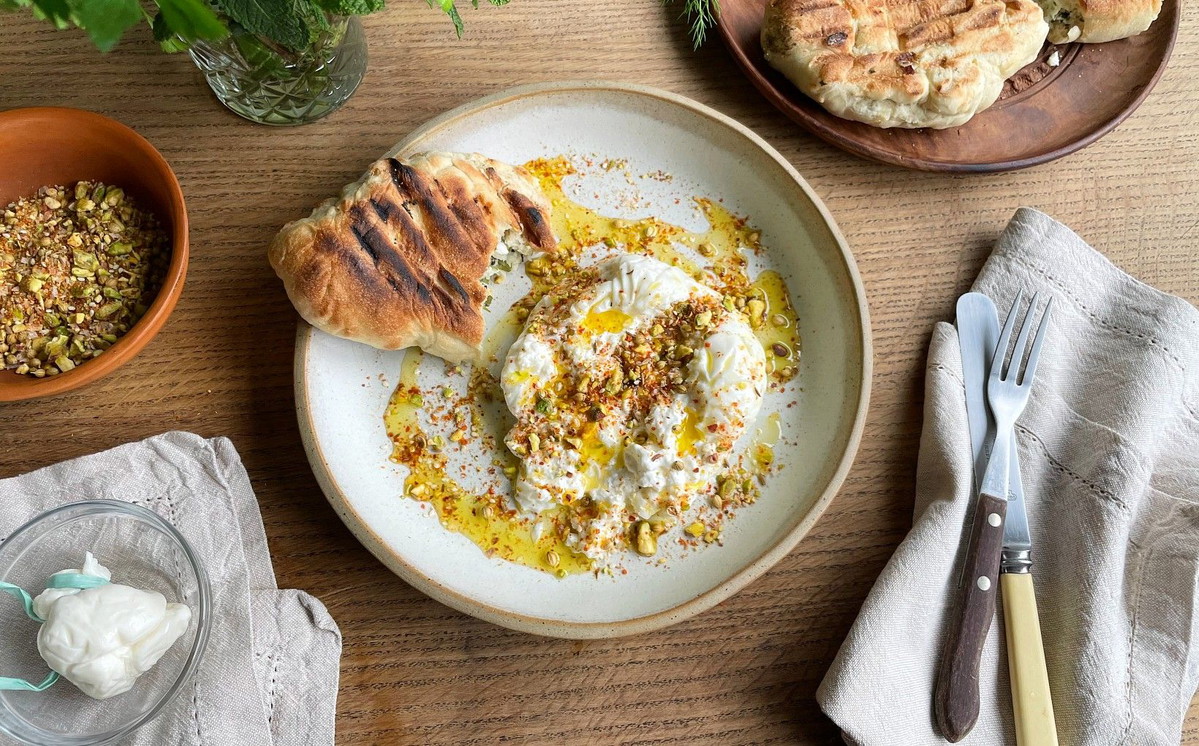
1. Fresh Cheese: Light, Delicate and Creamy
Fresh cheeses are generally unaged and have a high moisture content, giving them a soft texture and clean, delicate flavour. Depending on the variety, they can be milky, creamy or gently tangy.
Buffalo mozzarella, burrata and ricotta are familiar examples. Their fresh character makes them particularly versatile: serve them with ripe tomatoes, seasonal fruit, good olive oil or fresh herbs, or use them as part of a larger sharing spread.
Fresh cheese is a useful addition when you want to introduce a lighter contrast to richer cured meats and more intensely flavoured aged cheeses.
Serving tip: Pair fresh cheeses with ripe tomatoes, stone fruit, basil or a drizzle of quality olive oil.

2. Soft-Ripened Cheese: Rich and Velvety
Soft-ripened cheeses are known for their tender interiors and characteristic rinds. Varieties such as Brie and Camembert can develop buttery, mushroom-like and earthy notes as they mature.
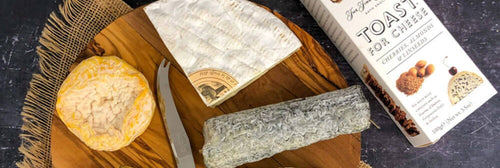
Other cheeses, including Chaource and certain goat’s cheeses, offer their own distinctive balance of creaminess and tang. Their textures make them particularly appealing on a cheeseboard, where they can be spread onto bread or enjoyed with crisp crackers.
For the best flavour and texture, many soft cheeses benefit from being taken out of the refrigerator ahead of serving, following the product’s storage guidance.
Serving tip: Complement soft cheeses with crusty bread, fruit, honey or a fruit-based preserve.

3. Semi-Soft and Firm Cheeses: Character and Complexity
As you explore cheeses with firmer textures, you’ll discover a broad range of flavours, from buttery and nutty to savoury, earthy and pleasantly sharp.
Taleggio and Fontina are examples of cheeses with a supple texture and distinctive character. Raclette is another versatile option, particularly for melted-cheese dishes and convivial meals.
Firmer varieties such as Manchego, Parmigiano Reggiano and Pecorino Romano can provide a more concentrated flavour and a satisfying contrast to softer cheeses.
These styles are excellent choices for a board because they offer a different eating experience from fresh and soft-ripened varieties.
Serving tip: Try firmer cheeses with dried fruit, nuts, savoury crackers or a spoonful of chutney.

4. Blue Cheese: Bold, Creamy and Full of Character
Blue cheeses are recognised by their distinctive veins and often complex flavour profiles. Depending on the variety and its maturity, they can range from creamy and gently savoury to intensely tangy and robust.
Stilton and Gorgonzola are well-known examples, while Fourme d’Ambert and Bleu de Basque offer further options for exploring different styles.
Blue cheese can be a standout addition to a cheeseboard, particularly when paired with milder cheeses that provide contrast. It also works beautifully with sweet accompaniments, which can balance its savoury intensity.
Serving tip: Serve blue cheese with pear, figs, honey or a sweet fruit preserve. If you’re building a board for a group, offer it alongside milder options so guests can choose their preferred intensity.

Specialist Charcuterie: Discover the Art of Cured Meats
Cheese is only half the story. Charcuterie brings savoury depth, varied textures and regional traditions to a sharing board.
The term charcuterie originates from French culinary tradition and refers to the preparation of meat products, particularly cured and preserved meats. Today, a charcuterie selection might include thinly sliced salami, traditional saucisson, speciality hams and other cured delicacies.
Different meats bring different qualities to a platter. Some are delicate and finely textured, while others are richer, more intensely seasoned or aged for a deeper flavour.
Explore our specialist charcuterie collection to find options for a relaxed aperitif, an elegant starter or a generous sharing centrepiece.

Saucisson: A French Charcuterie Classic
Saucisson is a traditional French dry-cured sausage, commonly made with pork and seasoned with salt, spices or herbs. Its firm texture and savoury flavour make it an easy addition to a charcuterie platter.
Different recipes can introduce ingredients such as pepper, nuts or other seasonings, creating variety within the category. Saucisson is typically served sliced, making it convenient for sharing alongside cheese, bread and other accompaniments.
If you’re unsure which style to try, a selection of different saucissons can be a good way to compare flavours and discover your favourite.
Serving tip: Arrange thin slices loosely on a board and serve with firm cheeses, crackers and a little fruit for contrast.
Spanish and Italian Cured Meats
Spanish and Italian charcuterie traditions offer a wide range of flavours and textures.
Spanish cured hams are especially popular for their savoury character and the complexity that develops through careful curing and ageing. Italian specialities include a variety of salami and other cured meats, each with its own regional traditions and seasoning styles.
When building a board, you don’t need to include lots of different meats. Two or three contrasting varieties can be enough to create an interesting selection, particularly when paired with complementary cheeses and accompaniments.
Serving tip: Combine thinly sliced cured ham with a firmer cheese, olives and good bread for a simple Mediterranean-inspired platter.

How to Build the Perfect Cheese and Charcuterie Board
Creating an impressive cheese and charcuterie board is easier than it looks. The secret is to plan for variety, leave enough room for each ingredient and make everything easy for guests to serve themselves.
Step 1: Choose a Balanced Cheese Selection
Start with three or four cheeses that differ in texture and intensity. For example, choose one soft-ripened cheese, one firmer variety and one blue cheese. Add a fresh cheese if you want a lighter element.
For a smaller gathering, fewer carefully selected cheeses can work just as well.
Step 2: Add a Variety of Cured Meats
Choose a mix of sliced and firmer cured meats. Thinly sliced ham or salami is easy to serve, while a firmer sausage adds a different texture.
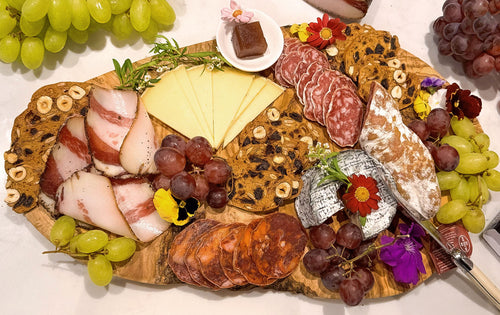
Arrange the meats in loose folds or small groups rather than spreading everything evenly across the board. This gives the platter visual interest and makes it easier for guests to identify each variety.
Step 3: Include Accompaniments
Accompaniments help bring the different flavours together. Good options include:
-
Fresh fruit: Grapes, apples, pears and seasonal fruit add freshness.
-
Dried fruit: Figs, apricots and other dried fruits provide sweetness and chew.
-
Crackers and toast: Offer a variety of textures for serving cheese and cured meats.
-
Olives and pickles: Their savoury, briny character can provide contrast to rich ingredients.
-
Chutneys and preserves: Sweet or tangy accompaniments can complement a range of cheeses.
-
Nuts: Add crunch and another layer of texture, taking allergies into account when serving guests.
You can find suitable additions in our cheese crackers and biscuits collection and cheese accessories collection.
Step 4: Arrange the Board with Space to Serve
Place larger cheeses on the board first, then add the cured meats and smaller accompaniments. Use small bowls for loose items such as olives, chutney or preserves.
Avoid overcrowding the board. Leaving a little space around the ingredients makes the selection easier to serve and helps each cheese and meat stand out.
For a finishing touch, add seasonal fruit or suitable edible garnishes. Keep the overall presentation inviting rather than overly complicated.
Step 5: Serve at the Right Temperature
Cheese often reveals more of its aroma and flavour when it is not served straight from the refrigerator. Follow the storage instructions for each product and allow suitable cheeses time to temper before serving.
Cured meats should be stored and served according to their individual packaging instructions. Perishable foods should not be left at room temperature for extended periods, particularly during warm weather or long gatherings.
For a step-by-step example, see our charcuterie board recipe.
How to Pair Cheese and Charcuterie
There are no rigid rules for pairing cheese and cured meats, but a few principles can help you build a more balanced board.
Match intensity: Pair delicate cheeses with milder meats, and let bolder cheeses stand alongside more robust flavours without allowing one ingredient to dominate everything else.
Balance richness with freshness: Fresh fruit, crisp vegetables and pickled accompaniments can offer a refreshing contrast to creamy cheese and cured meats.
Combine different textures: Soft cheese, firm cheese, thinly sliced meat, crisp crackers and crunchy accompaniments make each bite more interesting.
Add sweetness where it works: Honey, fruit preserves and ripe fruit can complement salty or tangy cheeses. Taste as you go to find combinations you enjoy.
Keep the presentation practical: Place similar ingredients together and provide suitable serving utensils so guests can enjoy the selection comfortably.
The most important thing is to choose ingredients you genuinely enjoy. A well-planned board should feel generous and welcoming, not complicated.

Find Your Favourite Cheese and Charcuterie at Fine Food Specialist
A great cheese and charcuterie board brings people together around exceptional ingredients. Whether you prefer mild and creamy cheeses, bold blue varieties, traditional saucisson or carefully aged cured meats, there’s plenty to explore.
Start with our artisan cheese selection, browse our gourmet charcuterie collection, and choose accompaniments that bring the whole board together.
For an easy way to get started, try our charcuterie board recipe for practical inspiration on ingredient selection and presentation.
Whether you’re entertaining friends, planning a special meal or simply treating yourself, the right combination of cheese, cured meats and accompaniments can turn a simple sharing platter into something memorable.
Explore our site now...
Take a look at Drogo's Kitchen for more inspiration and cooking advice. If you try out any of our ingredients or recipes please do tag us on social media! We love to see what you create.