The Ultimate Guide to Foie Gras: Types, Cooking Tips and How to Serve It
Foie gras is one of the most celebrated ingredients in French gastronomy, prized for its exceptionally rich, buttery flavour and smooth, delicate texture. Made from the liver of a duck or goose, this gourmet delicacy is enjoyed in a variety of preparations, from elegant pan-seared slices and rustic pâtés to luxurious terrines and refined canapés.
Whether you are discovering foie gras for the first time or looking to refine your cooking techniques, understanding the different types of foie gras, how to prepare them and which flavours complement them can help you make the most of this distinctive ingredient. In this guide, we explore everything you need to know about foie gras, including the difference between duck and goose foie gras, the various preparations available, how to cook fresh foie gras and what to serve alongside it.
What Is Foie Gras?
Foie gras is a culinary delicacy made from the liver of a duck or goose that has been fattened through a specialised feeding process. The name is French for “fatty liver”, and the ingredient is particularly associated with French cuisine, where it has a long-established place in celebratory meals and fine dining.
Foie gras is known for its high fat content, which gives it a distinctive buttery flavour and exceptionally smooth texture. It is typically sold as a whole liver, known as a lobe, or prepared in forms such as pâté, terrine and bloc. Depending on the preparation, foie gras can be served chilled, spread onto toasted bread or briefly seared to create a caramelised exterior and soft centre.
What Is the Difference Between Duck and Goose Foie Gras?
Both duck and goose foie gras are valued for their rich flavour and silky texture, but there are some differences in their size, taste and culinary characteristics.
Duck Foie Gras
Duck foie gras is generally smaller than goose foie gras and has a more pronounced, robust flavour, sometimes with a slightly gamier character. Its richness and texture make it particularly suitable for pan-searing, terrines and other preparations where its full flavour can take centre stage.
Goose Foie Gras
Goose foie gras is typically larger, with a more delicate and subtle flavour. It is often described as particularly smooth and refined, making it a popular choice for elegant starters and carefully presented dishes.
The choice between duck and goose foie gras ultimately depends on personal preference and the recipe. Both varieties can be used in a range of preparations, from simple seared slices to elaborate terrines.
Why Is Foie Gras So Rich and Buttery?
The characteristic richness of foie gras comes from its high fat content. When gently heated, this fat softens and renders, contributing to its smooth mouthfeel and distinctive flavour. The texture can be particularly luxurious when foie gras is cooked briefly, allowing the exterior to caramelise while the centre remains tender.
Its rich flavour also explains why foie gras is often paired with ingredients that provide contrast. Sweet fruit, acidic chutneys, toasted brioche and crisp wines can all help balance its natural intensity.
A Brief History of Foie Gras
The practice of fattening birds for their livers dates back thousands of years, with evidence of the technique in ancient Egypt. It later spread around the Mediterranean and was adopted by the Romans. Over time, foie gras became closely associated with French gastronomy and developed into a celebrated ingredient in regional and classical cooking.
France remains strongly associated with foie gras production and consumption, while other European countries, including Hungary and Spain, are also known for producing it. Today, foie gras is used in both traditional recipes and contemporary fine dining, appearing in dishes such as terrines, pâtés, seared starters and filled pastries.
What Are the Different Types of Foie Gras?
Foie gras is available in several forms, each suited to different cooking methods and occasions. French culinary terminology distinguishes between preparations according to how much liver they contain and how they are made.
Foie Gras
The term foie gras can refer to preparations made from pieces of foie gras liver. These may be combined and shaped for use in different recipes.
Foie Gras Entier
Foie gras entier is made from one or two whole lobes of liver. It is often sold as a premium preserved preparation and is prized for its texture and presentation.
Bloc de Foie Gras
Bloc de foie gras is a formed preparation made from emulsified foie gras. It is smooth and uniform in texture, making it easy to slice and serve for canapés, starters and entertaining.
Pâté de Foie Gras
Pâté de foie gras is a pâté preparation containing foie gras alongside other ingredients. The exact composition can vary, so it is worth checking the product label when choosing a particular pâté.
Parfait de Foie Gras
Parfait de foie gras is a smooth, rich preparation with a high proportion of foie gras. It is often served spread onto toast or brioche as an elegant appetiser.
Fresh, Frozen and Preserved Foie Gras: What Is the Difference?
Foie gras is sold in fresh, frozen and preserved forms. The right option depends on whether you want to cook from scratch, prepare a particular recipe or serve an elegant dish with minimal preparation.
-
Fresh foie gras: Usually sold as whole lobes, fresh foie gras is suited to cooking techniques such as pan-searing and making homemade terrines. It requires careful handling and prompt refrigeration.
-
Frozen foie gras: Frozen foie gras offers flexibility, allowing you to keep it until needed. It is available as whole lobes, deveined portions and pre-cut slices. Always follow the product’s defrosting and storage instructions.
-
Preserved foie gras: Typically sold in jars, tins or other sealed formats, preserved foie gras is already cooked and is generally ready to serve. It is a convenient choice for entertaining, canapés and gourmet gifts, subject to the storage instructions on the packaging.
-
Foie gras terrines and pâtés: These prepared options are ideal for slicing or spreading onto toast, making them a practical choice for starters and sharing platters.
How to Prepare Fresh Foie Gras for Cooking
Preparing a whole lobe of fresh foie gras usually involves deveining it before cooking. This process removes the larger veins and any unwanted membrane, leaving the liver ready for recipes such as terrines, pâtés and pan-seared portions.
Allow the foie gras to soften slightly according to safe handling guidance so that it is easier to separate into its natural lobes. Gently open the lobes and locate the main veins, then use a small knife or your fingers to remove them carefully without breaking up the liver more than necessary.
Deveining can take practice, particularly for beginners. If you want to simplify preparation, deveined foie gras is also available and can be used directly in suitable recipes.
How to Cook Foie Gras
One of the best-known ways to prepare fresh foie gras is to pan-sear it. The high fat content means it cooks quickly, producing a golden, caramelised exterior and a soft, rich centre.
How to Pan-Sear Foie Gras
-
Keep the foie gras chilled until you are ready to prepare it, and cut it into even slices using a sharp, warm knife.
-
Season the slices with salt and pepper immediately before cooking.
-
Heat a dry frying pan until very hot.
-
Place the slices into the pan, leaving enough space between them, and sear briefly on each side until the exterior is golden.
-
Transfer to a warm plate and serve promptly with your chosen accompaniments.
Foie gras is delicate and can render a considerable amount of fat, so avoid overcooking it. Cooking time will depend on the thickness of the slices and the type of foie gras. Follow the specific recipe or product instructions, and ensure the product is handled and cooked appropriately.
Can You Eat Foie Gras Without Cooking It?
This depends on the product. Fresh or frozen raw foie gras should be cooked before eating. Preserved foie gras, such as many terrines, pâtés and bloc preparations, is generally already cooked and ready to serve. Always check the packaging and producer’s instructions rather than assuming all foie gras products can be eaten in the same way.
How to Serve Foie Gras
Foie gras is rich and full-flavoured, so simple accompaniments often work particularly well. Toasted brioche is a classic choice, offering a lightly sweet flavour and soft texture that complements the smoothness of the liver.
For additional contrast, consider serving foie gras with:
-
Fruit chutneys and compotes: Fig, plum, grape, apple and cherry bring sweetness and a gentle acidity.
-
Sweet wine jelly: A spoonful of sweet wine jelly provides a fragrant, fruity accompaniment.
-
Toasted brioche: Its delicate sweetness and tender crumb make it a natural partner for foie gras.
-
Sourdough or toasted baguette: These offer a slightly firmer texture and a more savoury base.
-
Fresh fruit: Grapes, apples and seasonal stone fruits bring freshness to the plate.
-
Lightly dressed salad leaves: A little acidity and crispness can provide a refreshing contrast to the richness of the liver.
For an elegant starter, serve a few slices of foie gras with toasted brioche, a small portion of fruit chutney and a handful of lightly dressed leaves. Keeping the accompaniments balanced allows the foie gras to remain the focus of the dish.
Which Flavours Pair Best with Foie Gras?
Sweet, fruity and gently acidic flavours are particularly well suited to foie gras. The richness of the liver can be balanced by the freshness of fruit and the tang of a well-made chutney or reduction.
Stone fruits such as plums and peaches, as well as grapes and apples, are popular choices. Rich sauces made with reduced wine or other suitable ingredients can also complement foie gras, while a touch of acidity helps prevent the overall dish from feeling too heavy.
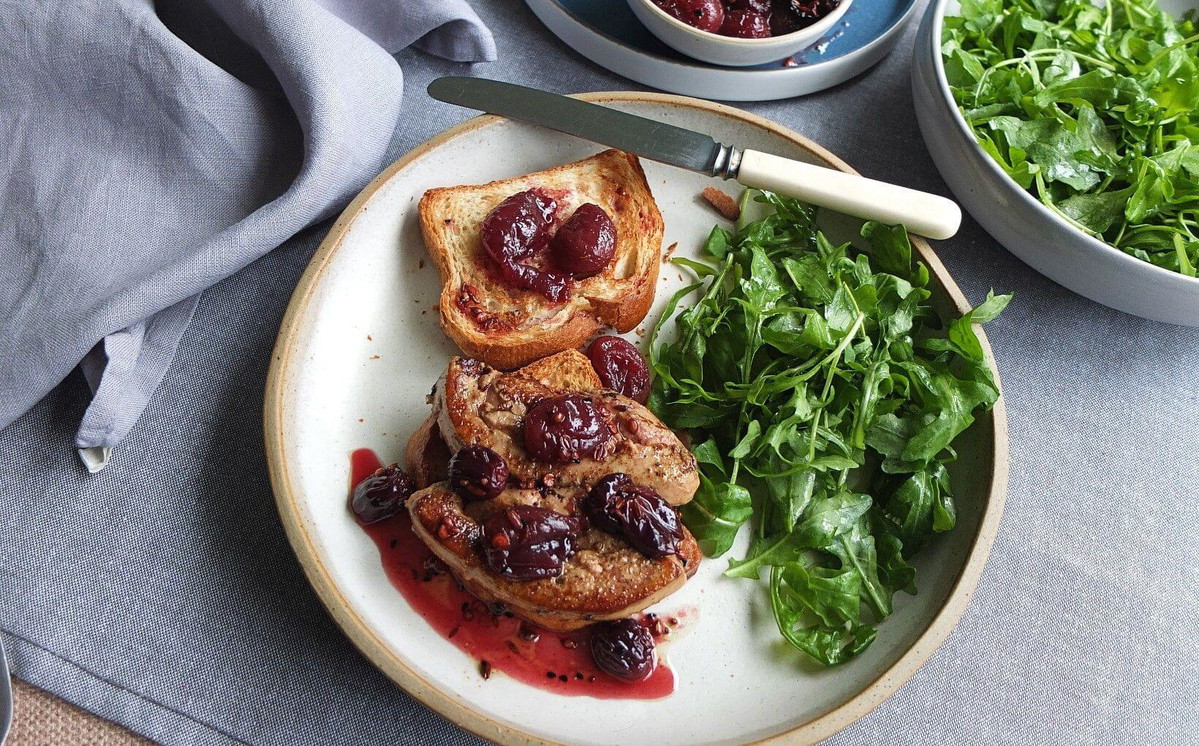
For a simple serving idea, try foie gras with toasted brioche and spiced grape chutney. The sweetness of the grapes and the aromatic spices create a contrast with the buttery texture of the liver.
Which Wine Goes Best with Foie Gras?
Foie gras is often paired with sweet wines, particularly those with honeyed, fruity or floral notes. Sauternes is a well-known match, offering sweetness and complexity that complement the richness of the liver.
Other options include:
-
Sauternes: A classic pairing, with honeyed fruit and balanced acidity to complement the richness of foie gras.
-
Jurançon moelleux: A sweet wine from south-west France, offering expressive fruit and freshness.
-
Tokaji Aszú: A richly flavoured dessert wine with concentrated fruit and balancing acidity.
-
Vintage or aged Champagne: For those who prefer a drier pairing, a mature Champagne with depth and brioche-like notes can work well. Its bubbles and acidity provide contrast to the rich texture.
-
Rich, aromatic white wine: Some fuller-bodied white wines can complement foie gras, particularly when they have enough texture and freshness to balance the dish.
The ideal pairing depends on how the foie gras is prepared and what it is served with. A sweet wine may work particularly well with a fruit chutney, while a mature sparkling wine can be a suitable choice for a simpler seared preparation.
How Long Does Foie Gras Keep in the Fridge?
Fresh foie gras is highly perishable and should be kept refrigerated and used according to the supplier’s instructions. The original guide recommends using fresh foie gras within two days when refrigerated, but always follow the storage guidance and use-by date on the product you purchase.
Frozen foie gras can be stored for longer, with the original guide indicating around one year in the freezer. Check the packaging for the product-specific storage period and defrosting instructions. Once defrosted, treat it as a fresh product and do not refreeze unless the supplier explicitly advises that it is safe to do so.
Preserved foie gras has different storage requirements depending on its preparation and packaging. Follow the label for unopened storage, refrigeration after opening and use-by guidance.
Foie Gras Recipes from Drogo’s Kitchen
If you are looking for inspiration, foie gras can be used in a wide range of dishes, from simple starters to more elaborate centrepieces. Explore these recipes from Drogo’s Kitchen:
-
Seared Foie Gras with Spiced Grape Chutney: Pan-seared duck foie gras served with toasted brioche and a fragrant, sweet grape chutney.
-
Rustic Foie Gras Terrine: A classic preparation that showcases the rich texture of a whole lobe.
-
Foie Gras Terrine with Brioche and Sweet Wine Jelly: A simple serving idea pairing prepared terrine with toasted brioche and sweet wine jelly.
-
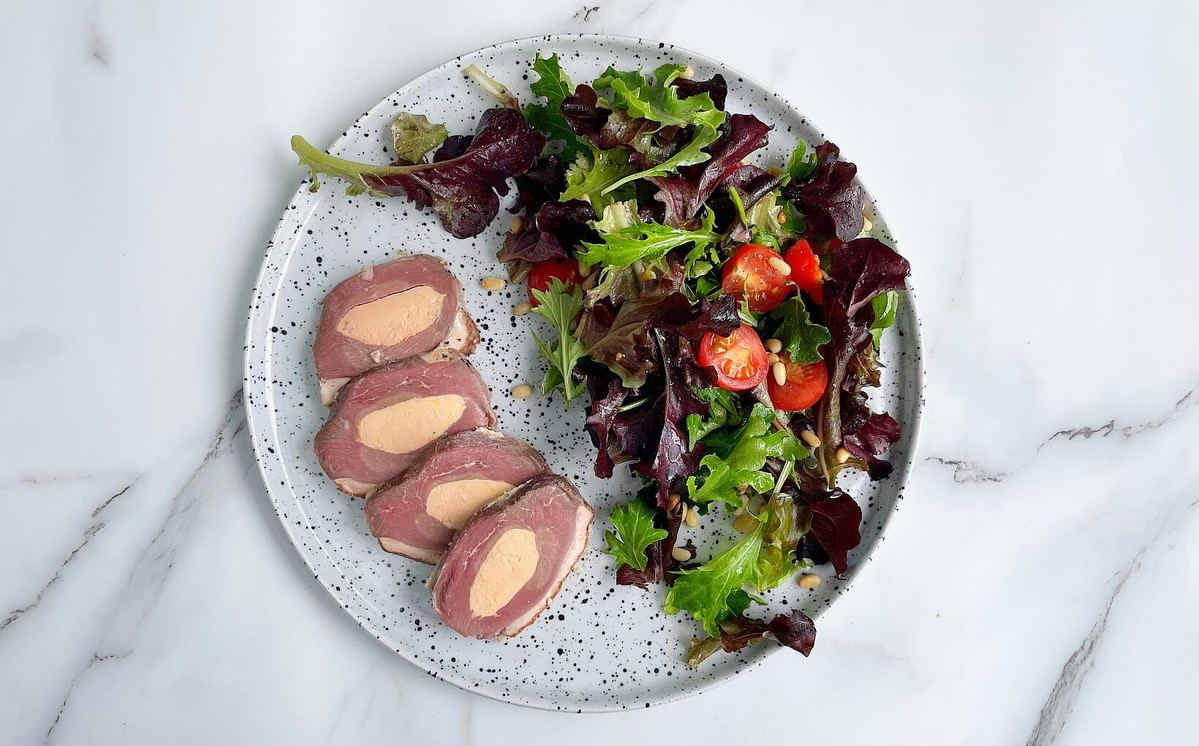
Duck Stuffed with Foie Gras: A celebratory dish combining duck with the richness of foie gras.
These recipes offer different ways to enjoy foie gras, whether you are preparing a refined appetiser or planning a special-occasion meal.
Discover Foie Gras at Fine Food Specialist
From fresh and frozen lobes to preserved foie gras, terrines and pâtés, there are several ways to enjoy this distinctive ingredient at home. Choosing the right form for your recipe, handling it carefully and pairing it with complementary flavours can help you make the most of its rich texture and buttery character.
Explore the Fine Food Specialist foie gras collection to find options for pan-searing, preparing terrines or creating an elegant starter for your next dinner party.
Recipes using foie gras from Drogo’s Kitchen
Seared Foie Gras with Spiced Grape Chutney

Foie Gras Terrine with Brioche and Sweet Wine Jelly